

 Medically reviewed by
 A brainstem stroke is one of the most severe yet least understood forms of stroke. It occurs when a clot or bleeding disrupts blood flow to the brainstem, a small but vital region that connects the cerebrum, cerebellum, and spinal cord. Despite being only about half an inch wide, it controls breathing, heart rate, blood pressure, and consciousness. Because of its complex anatomy and delicate blood supply mainly from the basilar and vertebral arteries damage in this area can become life-threatening within minutes if not treated promptly.
What is a Brainstem Stroke?
A brainstem stroke occurs when the blood supply to the brainstem is interrupted, either by a blockage or bleeding in the vessels. The brainstem is the control center for many of our most essential body functions, and a stroke here can be devastating. It’s classified under two main types of stroke:
- Ischemic stroke, which is caused by a blockage in a blood vessel, leading to a reduction in blood flow and oxygen supply.
- A hemorrhagic stroke occurs when when a blood vessel in or around the brainstem ruptures, causing bleeding into the brain tissue itself.
While both types can affect the brainstem, ischemic strokes are more common. The lack of oxygen to brainstem tissue can quickly lead to serious functional impairments and even life-threatening conditions.
Key Structures Affected (Midbrain, Pons, Medulla)
The brainstem is made up of three key regions:
- The midbrain
- Pons
- Medulla oblongata.
Each of these regions is responsible for different, critical functions:
- The midbrain controls eye movement, visual processing, and auditory processing.
- The pons acts as a communication bridge between the brain and spinal cord. It also regulates basic functions like facial movement, hearing, and balance.
- The medulla oblongata is perhaps the most crucial area. It regulates autonomic functions like breathing, heart rate, and blood pressure. Damage to the medulla can quickly affect the body’s ability to maintain these vital functions.
Impact on Vital Functions like Breathing, Heart Rate, and Consciousness
The brainstem is responsible for regulating life-sustaining processes that we take for granted, like breathing, heart rate, and blood pressure. When a stroke affects this area, it can disrupt the body’s ability to function autonomously:
- Breathing difficulties: The medulla oblongata regulates our breathing by monitoring blood oxygen levels. Damage here can lead to respiratory failure.
- Heart rate instability: The brainstem helps maintain heart rhythm by sending signals to the heart. A stroke can cause arrhythmias or other heart issues.
- Consciousness alterations: The reticular activating system (RAS) in the brainstem is responsible for wakefulness and alertness. Damage to the brainstem can result in unresponsiveness, ranging from coma to locked-in syndrome, where the person is conscious but unable to move or speak.
Why It’s Called “Brainstem”?
The brainstem sits at the base of the brain, just above the spinal cord, connecting the brain to the rest of the body. Despite its small size, about half an inch in length, it plays a central role in our survival. It’s a bridge that allows vital communication between the brain and spinal cord, transmitting signals that regulate everything from movement to basic autonomic functions. It is positioned in a way that makes it incredibly vulnerable, yet essential to our daily functioning.
Its Function as the Communication Hub Connecting the Brain to the Body
What makes the brainstem so remarkable is its role as the communication hub for many critical bodily systems. It doesn’t just relay signals; it controls life-sustaining functions like breathing, heart rate, and blood pressure, which are necessary for survival. The brainstem also contains important cranial nerve nuclei that govern facial movements, swallowing, speech, and balance. Because of this, any disruption in this area can have wide-ranging effects on the body, as these pathways link everything from simple reflexes to complex coordination between the brain and the body.
How It Differs from Other Stroke Types?
| Feature | Brainstem Stroke | Cortical Stroke | Cerebellar Stroke |
| Location | Base of the brain, linking to the spinal cord. | Outer layer of the brain (cortex). | Back of the brain, beneath the cerebrum. |
| Main Functions Affected | Vital control: breathing, heart rate, consciousness, and motor control. | Higher functions: speech, thinking, movement, and sensation. | Coordination, balance, posture. |
| Common Symptoms | Dizziness, double vision, slurred speech, and weakness/paralysis on both sides. | Speech loss, one-sided weakness, and vision loss. | Unsteady gait, vertigo, and poor coordination. |
| Speech & Consciousness | Speech may remain clear even with paralysis; consciousness may fluctuate or lead to coma. | Speech is often impaired (aphasia); consciousness is mostly preserved. | Speech intact; consciousness preserved. |
| Risk Level | High-may cause respiratory failure or locked-in syndrome. | Moderate-deficits depend on the area affected. | Low to moderate-affects coordination, not vital functions. |
Global and Regional Prevalence
Stroke remains one of the leading causes of death and disability worldwide, with around 12.2 million new strokes and over 101 million people living with the aftermath reported globally in 2019.
Among these, brainstem strokes make up approximately 10 to 15% of all cases. Though less frequent than cortical or cerebellar strokes, they carry a disproportionately higher risk of fatality due to their location in vital neural centers.
In the United States, the CDC estimates that about 795,000 people experience a stroke every year, with posterior circulation strokes (which include the brainstem) forming roughly one-third of ischemic cases.
Mortality and Disability Rates
The mortality risk in brainstem stroke is substantially higher than in other stroke types because even a small lesion can disrupt breathing, heart rate, or consciousness.
Clinical data show:
- Ischemic brainstem infarction: 1-year mortality about 11.7%.
- Brainstem hemorrhage: rare (~ 0.5% of all strokes) but with very high fatality and morbidity.
- Global stroke deaths: Approximately 6.55 million per year.
- Males are more often affected, with a ratio of 3:1 ratio, showing clear male predominance.
Survivors often face long-term functional limitations. Around 37% experience mobility issues, and a significant proportion suffer from speech, swallowing, or cognitive impairments.
In low and middle income countries, this burden is even heavier stroke related mortality and disability adjusted life years (DALYs) are about 3.6 to 3.7 times higher than in wealthier nations.
Causes and Risk Factors
The core mechanism behind a brainstem stroke depends on whether it’s ischemic (caused by blockage) or hemorrhagic (caused by bleeding).
| Because | Description |
| Blood clot formation (ischemic) | The most common cause occurs when a clot blocks the vertebrobasilar circulation, reducing oxygen supply to the brainstem. |
| Vessel rupture (hemorrhagic) | Happens when a weakened vessel bursts, causing bleeding within or around the brainstem. |
| Small vessel disease / atherosclerosis | Narrowing or hardening of small arteries due to plaque buildup, often linked to hypertension or diabetes. |
| Vertebrobasilar artery occlusion | A blockage in the basilar or vertebral arteries, cutting off blood to vital brainstem areas, frequently leading to severe deficits or coma. |
Genetic and Environmental Influences
Some individuals are genetically predisposed or exposed to environmental conditions that heighten stroke risk.
- A family history of stroke, hypertension, or heart disease significantly raises susceptibility.
- Pollutant exposure (e.g., air pollution, heavy metals) contributes to chronic inflammation and vascular damage.
- Chronic stress and sleep deprivation though less discussed can alter blood pressure regulation and cerebral perfusion, increasing vulnerability.
Lifestyle and Behavioural Risk Factors
Lifestyle plays a major role in the onset of brainstem strokes. Many of these factors overlap with those seen in general cerebrovascular disease:
- Hypertension is the strongest modifiable risk factor.
- Diabetes mellitus damages small vessels supplying the brainstem.
- Smoking accelerates atherosclerosis and thickens the blood, making clots more likely.
- Physical inactivity and an unhealthy diet high in sodium and trans fats increase both blood pressure and cholesterol levels.
(Clinically, patients with, I’ve observed that patients with a mix of these risk factors especially the brainstem controls breathing, hypertension, and smoking tend to experience more severe and recurrent posterior circulation strokes.)
Unidentified or Hidden Mechanisms
Despite medical advances, a portion of brainstem strokes remain cryptogenic, meaning no clear cause is found even after testing.
- Arterial dissection, especially in the vertebral artery, can occur after neck injury or sudden head movement.
- Blood vessel inflammation, known as vasculitis, can lead to reduced blood flow to the brain..
- In some cases, multiple minor risk factors combine multifactorial origins making diagnosis complex and prevention harder to target.
Symptoms and Early Warning Signs
From my academic experience and review of neurovascular cases, brainstem strokes often present subtly at first which is why timely recognition is so critical.
Common Neurological Symptoms
Brainstem strokes typically disrupt both motor and sensory pathways, along with autonomic control. Common early warning signs include:
- Double vision (diplopia) – due to cranial nerve involvement.
- Dizziness or vertigo – often mistaken for inner ear disorders.
- Slurred speech (dysarthria) – from impaired coordination of facial and tongue muscles.
- Difficulty swallowing (dysphagia) – a result of damage to the medullary centers.
- Weakness or paralysis – may affect one or both sides of the body, depending on the stroke’s location.
Loss of Consciousness or Locked-In Syndrome
When the pons or medulla oblongata is severely affected, the consequences can be devastating.
- Loss of consciousness occurs when the reticular activating system (RAS) is compromised.
- In the most severe cases, patients may develop locked-in syndrome where they are completely paralyzed except for eye movements but remain fully conscious and aware.
- From a neurological standpoint, this condition is one of the most tragic outcomes of a brainstem stroke because the mind remains alert inside a motionless body.
Atypical or Subtle Presentations
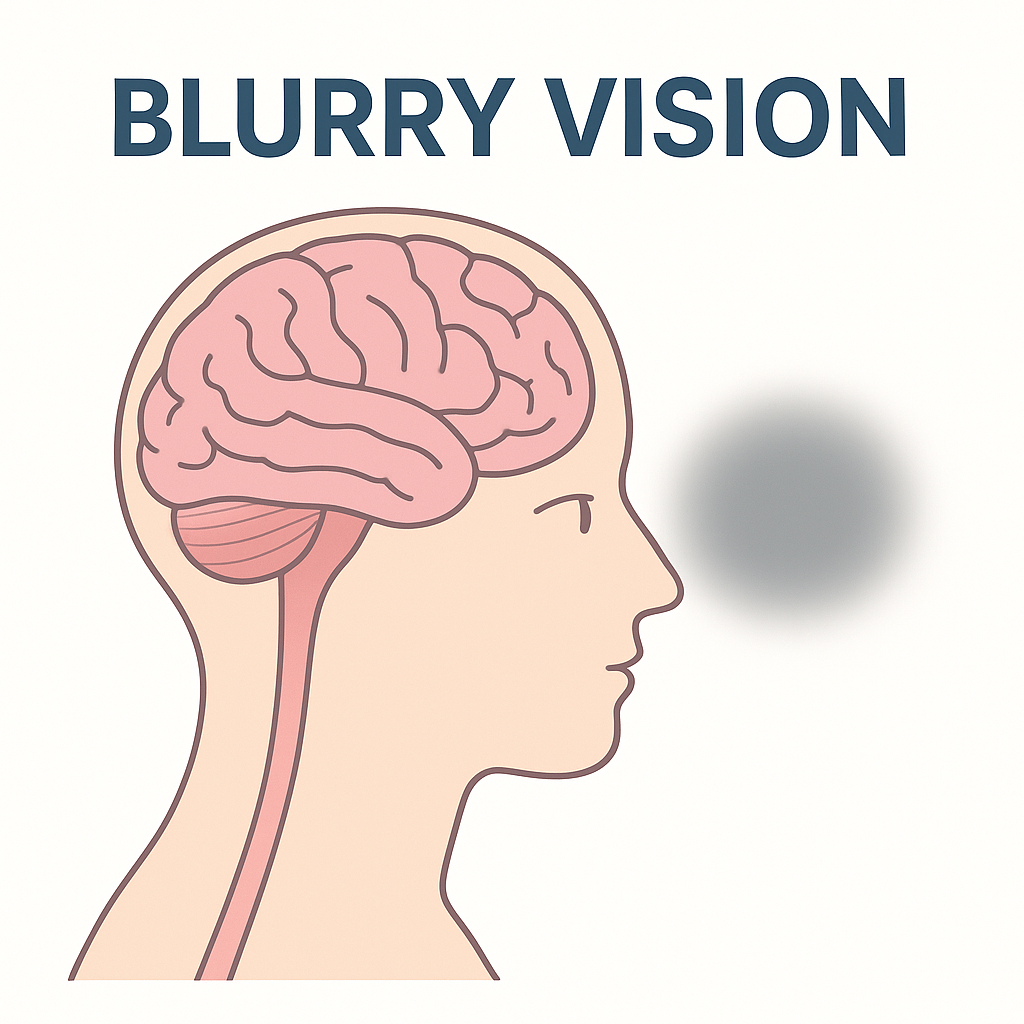
- Some patients report brief dizziness, imbalance, or blurry vision, often mistaken for migraine, vertigo, or fatigue.
- These warning signs might fade temporarily, creating a dangerous false sense of recovery.
- Even emergency departments sometimes misinterpret these early presentations without proper neuroimaging.
In several case reviews I’ve studied, patients with posterior circulation strokes described “just feeling off balance” before suddenly collapsing hours later illustrating how deceptive the onset can be.
Importance of Early Detection
- The earlier the stroke is recognized, the better the outcomes, especially for ischemic types where thrombolytic therapy (tPA) can restore blood flow if administered within hours.
- Delayed recognition often leads to respiratory failure, coma, or cardiac arrest, particularly when the medulla is involved.
- Family members and healthcare professionals should treat sudden dizziness, double vision, or slurred speech as potential stroke warnings even in young or healthy individuals.
Diagnosis and Medical Evaluation
Clinical Assessment and Patient History
Diagnosing a brainstem stroke begins with a detailed neurological examination, focusing on cranial nerve function, balance, eye movement, and coordination. Since the Owing to its regulation of key body functions reflexes, even subtle signs like slurred speech, difficulty swallowing, or double vision can be red flags. In clinical settings, I have seen how easily these symptoms can be mistaken for vertigo or fatigue, especially when weakness or speech loss is absent. Taking a thorough patient history including risk factors like hypertension, smoking, or a past stroke often helps guide the next diagnostic step.
Imaging Tests (CT, MRI, MRA)
A non-contrast CT scan is usually the first test to rule out bleeding. CTs can miss small infarcts in the brainstem due to surrounding bone structures. For this reason, doctors often turn to diffusion-weighted MRI (DWI), which is far more sensitive for detecting ischemic injury in this area.
When evaluating posterior circulation strokes, MRA or CTA angiography helps visualize vessel blockages or ruptures, especially in the vertebrobasilar system. In certain cases, adding thin-section or coronal DWI improves detection accuracy for small lesions.
Laboratory and Cardiac Investigations
Stroke evaluation always includes blood work to rule out metabolic or clotting abnormalities. Common tests include glucose, lipid profile, and coagulation studies, which can reveal underlying causes like diabetes or hypercoagulability.
Since many brainstem strokes can stem from heart-related issues, ECG and echocardiogram are critical for identifying cardioembolic sources such as atrial fibrillation. Detecting these early can guide secondary prevention and reduce recurrence risk.
Challenges in Diagnosis
Diagnosing a brainstem stroke can be extremely challenging. The compact anatomy of the brainstem, along with its deep location, makes imaging interpretation difficult. Early on, MRI scans may even appear normal, a phenomenon known as “false-negative DWI.” This delay can have serious consequences, as the condition may progress quickly before imaging confirms it. Clinicians need to rely on both clinical judgment and advanced imaging to avoid missing these cases.
Treatment and Management
Immediate Stroke Care
- Stabilize vital functions first: secure airway/ventilation, support breathing and oxygenation, and stabilize heart rate and blood pressure as needed these steps are a priority because brainstem lesions can rapidly compromise autonomic control.
- Reperfusion therapy if eligible: consider IV thrombolysis (alteplase/tPA) for ischemic strokes within established time window if no contraindications, and mechanical thrombectomy for large-vessel occlusions when criteria are met. Posterior-circulation (including basilar) occlusions may benefit from endovascular treatment when indicated.
- Rapid neuroimaging (non-contrast CT to exclude haemorrhage, then MRI/DWI and vascular imaging) guides acute decisions.
Medications and Supportive Treatment
- Antiplatelet or anticoagulant therapy: start antiplatelet agents (e.g., aspirin) for most ischemic strokes unless a cardioembolic source calls for anticoagulation anticoagulation is used when indicated (e.g., atrial fibrillation) per guideline recommendations. Choice and timing depend on stroke type and bleeding risk.
- Control intracranial pressure (ICP) and prevent complications: monitor for rising ICP; use head elevation, osmotherapy, and neurosurgical consultation when indicated. Prevent aspiration, treat fever and hyperglycaemia, and manage infections and seizures.
- Cardiovascular support: manage arrhythmias, optimize hemodynamics, and treat cardiac causes identified on workup (ECG/echo).
Rehabilitation and Recovery Strategies
- Early, multidisciplinary rehabilitation: Start physical therapy, occupational therapy, and speech/swallow therapy as soon as the patient is medically stable this improves functional recovery and reduces complications of immobility.
- Swallow and airway management: Aggressive swallow assessment and diet modification or enteral feeding when needed to prevent aspiration pneumonia.
- Psychological support and caregiver training: Involve neuropsychology and social work early; teach caregivers about communication strategies, safe mobility, and home care needs. From clinical experience, early caregiver education markedly improves discharge readiness and reduces readmission.
Long-Term Follow-Up and Monitoring
- Ongoing assessment for swallowing, mobility, cognition, mood, and activities of daily living plan structured outpatient follow-up and community rehabilitation programs.
- Secondary prevention / cardiovascular risk management: strict blood-pressure control, lipid management (statin therapy when indicated), glycemic control, smoking cessation, diet and exercise counselling, and anticoagulation when a cardioembolic source is present. Regular primary-care / neurology follow-up to adjust prevention strategy.
- Surveillance imaging or vascular follow-up may be required depending on the cause (e.g., vertebral artery dissection, large-artery atherosclerosis).
A Real-Life Reflection
During my clinical rotation, I came across a 58-year-old school teacher named Mr. Rashid who came to the emergency room complaining of sudden dizziness, double vision, and slurred speech. He insisted it was just fatigue or “low sugar,” and honestly, at first, everyone thought the same. His blood pressure was slightly high, but there was no weakness on either side of his body, so it didn’t look like the usual stroke we’re taught to recognize.
Within an hour, his breathing slowed, and he became unresponsive. A quick CT scan looked normal, but an MRI later confirmed a pontine infarct a type of brainstem stroke. I still remember the silence in the ward when the diagnosis came. He was fully conscious but couldn’t move or speak, only able to blink to communicate a condition known as locked-in syndrome.
Watching his family try to talk to him, realizing he could hear every word but couldn’t reply, was deeply humbling. It reminded me how fragile the brainstem’s balance is how a few millimeters of damage can separate life from silence. Over months of rehab, he slowly regained partial movement in his right hand, enough to write his name again. That single gesture made the entire team emotional.
This case completely changed how I viewed dizziness or slurred speech in patients. It taught me that even subtle symptoms can hide something life-threatening and that in neurology, early suspicion is often what saves a life.
Prevention Tips
Control Blood Pressure:
Keep blood pressure within a healthy range through diet, exercise, and prescribed medications to significantly reduce stroke risk.
Manage Cholesterol & Blood Sugar:
Treat high cholesterol and diabetes early, as they increase the likelihood of clot formation and blood vessel damage.
Adopt a Heart-Healthy Lifestyle:
Maintain a balanced diet, exercise regularly, avoid smoking, and limit alcohol to protect blood vessels and improve circulation.
Monitor Heart Health:
Conditions like atrial fibrillation or heart rhythm problems should be treated promptly, as they can lead to blood clots that cause strokes.
Stay Consistent with Medications & Checkups:
Follow your doctor’s prescribing plan and attend regular medical checkups to catch and manage risk factors early.
Research and Future Directions
Modern neuroimaging has transformed how brainstem strokes are detected and studied. Diffusion-weighted MRI and high-resolution angiography now allow clinicians to visualize even the smallest infarcts within deep brainstem structures something that was nearly impossible a decade ago. Beyond imaging, genetic research is uncovering how inherited traits influence stroke susceptibility, recovery potential, and treatment response. Studies on gene variants related to vessel integrity and inflammation are helping define personalized prevention and rehabilitation strategies for patients at higher risk.
Artificial intelligence and machine learning are increasingly being integrated into imaging systems to assist in early detection and outcome prediction.
Conclusion
Brainstem strokes, though rare, serve as a profound reminder of how delicate yet resilient the human body truly is. Mr. Rashid’s story shows that even the smallest delay in recognition can change a life forever, while timely intervention can offer a second chance at it. These cases challenge both healthcare professionals and the public to look beyond the obvious to treat every symptom as a potential signal, not an inconvenience. With growing medical innovation and stronger awareness, what was once a silent, hidden threat can now be confronted with precision, compassion, and renewed hope.