

 Medically reviewed by
 Trichotillomania, also known as hair-pulling disorder, is a mental health condition in which a person repeatedly pulls out their own hair from the scalp, eyebrows, eyelashes, or other areas of the body. It belongs to the group of conditions called Body-Focused Repetitive Behaviours (BFRBs). People with this disorder experience a strong, uncontrollable urge to pull hair, followed by a feeling of relief or satisfaction. On the other hand, Attention-Deficit/Hyperactivity Disorder (ADHD) is a neurodevelopmental condition that affects attention span, emotional regulation, and impulse control. Although trichotillomania and ADHD appear different, research and clinical practice show that the two often overlap and influence each other.
What is Trichotillomania?
Trichotillomania is characterised by recurrent hair-pulling that leads to visible hair loss and significant emotional distress. Individuals often experience tension or anxiety before pulling and relief after the hair is removed. For some, the behaviour is automatic they do it without realising it, especially during activities like reading, studying, scrolling through their phone, or watching TV.
For others, hair-pulling is more focused, triggered by stress, boredom, emotional discomfort, or sensory needs. Many individuals attempt to stop repeatedly but struggle due to the strong urges and habitual nature of the behaviour. Shame, embarrassment, and avoidance of social situations are common, especially when bald patches become visible.
ADHD
Learning about ADHD and Its Major Symptoms. ADHD is a disorder that affects millions of children and adults across the globe. The fundamental characteristic symptoms are inattention, hyperactivity, and impulsive behaviour. Individuals who have ADHD usually have problems concentrating, organising tasks, time, and emotions. Restlessness, physical and psychological emotional dysregulation, is common in ADHD.
These symptoms expose people to repetitive behaviours, such as pulling of hair, biting of nails and skin picking and fidgeting. ADHD is a disease that is typically diagnosed in childhood, although many do not get detected until adolescence or adulthood.
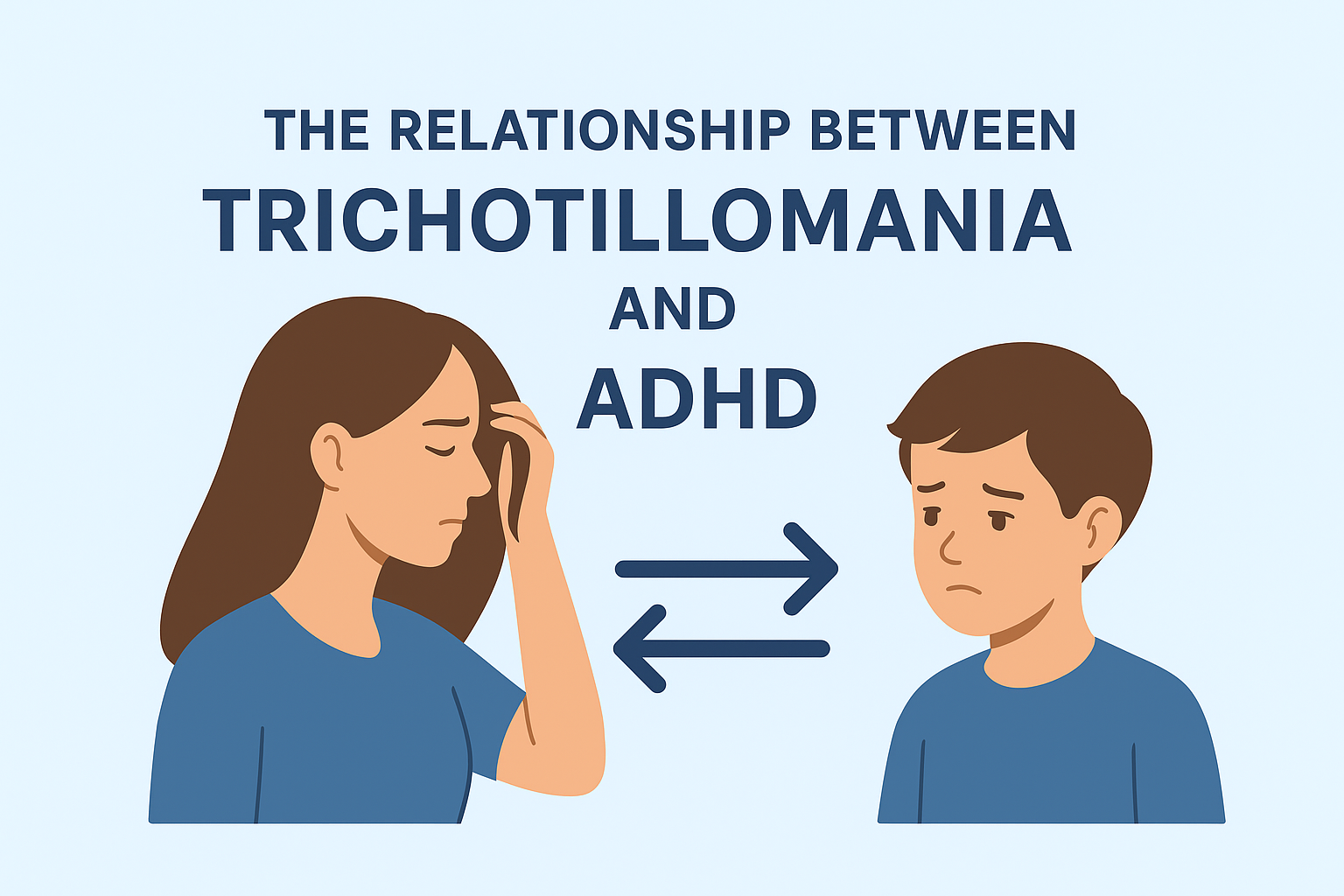
The Relationship Between Trichotillomania and ADHD
The connection between trichotillomania and ADHD is intense, as there is a shared difficulty in terms of impulse control, emotional regulation, and sensory processing. People with ADHD cannot resist urges as easily, thus becoming more susceptible to body-centred repetitive actions such as pulling hair. Hair-pulling episodes may also be provoked by emotional tension, which is common among ADHD as a result of frustration, overwhelm, anxiety, or stress.
Also, individuals with ADHD use sensory-seeking activities, including rubbing their hands in textures, touching objects, twirling hair, fidgeting, etc. Pulling of hair can be a sensory habit, which offers a temporary relief or excitement. It is also more difficult to stop repetitive behaviour when it has started in ADHD due to executive functioning problems, since high mental effort is required in self-monitoring and breaking habits. Both ADHD and Trichotillomania have the same symptoms.
Symptoms of ADHD and Trichotillomania
Most individuals complain of being caught in a loop of pulling and regretting it. The symptoms are more noticeable when ADHD and trichotillomania are combined.
The frequent symptoms are:
- pulling hair when distracted (through watching videos or doing schoolwork).
- pulling hair as a reaction to stress or boredom.
- feeling powerless to stop hair-pulling.
- feeling embarrassed or ashamed by episodes of hair-pulling.
Emotional symptoms include anxiety, guilt, low self-esteem, and withdrawal because of observable loss of hair. Hair-pulling patterns are further aggravated by such symptoms of ADHD as forgetfulness, inability to concentrate, restlessness, and wanting to make impulsive decisions.
Diagnostic Evaluation Process
Trichotillomania and ADHD will be evaluated through clinical interviews, DSM-5 criteria, behavioural assessments, and a detailed medical history conducted by a mental health professional such as a psychologist, psychiatrist, or therapist.
To ensure accuracy, clinicians may use additional standardized tests and screening tools, including:
- ADHD-specific assessments such as
- Conners Rating Scales
- Vanderbilt ADHD Diagnostic Rating Scales
- Adult ADHD Self-Report Scale (ASRS)
- Trichotillomania assessment tools, such as
- Massachusetts General Hospital Hairpulling Scale (MGH-HPS)
- NIMH Trichotillomania Symptom Severity Scale
Clinicians will also evaluate for co-occurring or contributing conditions, including:
- skin problems (like dermatitis or infections)
- thyroid disorders
- nutritional deficiencies (e.g., iron or B12 levels)
- anxiety disorders or obsessive–compulsive traits
Further protocols may include physical examinations, laboratory tests, or referrals to dermatologists or neurologists if medical conditions are suspected.
Combined Approach Treatment of Trichotillomania and ADHD
1. Behavioural and Psychological Therapies
The treatment of both ADHD and trichotillomania requires a personalized approach. One of the most effective therapies for trichotillomania is Cognitive Behavioural Therapy (CBT). A specialized form of CBT, known as Habit Reversal Training (HRT), helps individuals recognise triggers, increase awareness, and replace hair-pulling with healthier behavioural patterns called competing responses. Techniques such as squeezing stress balls, using fidget toys, or clenching fists can help interrupt the urge to pull.
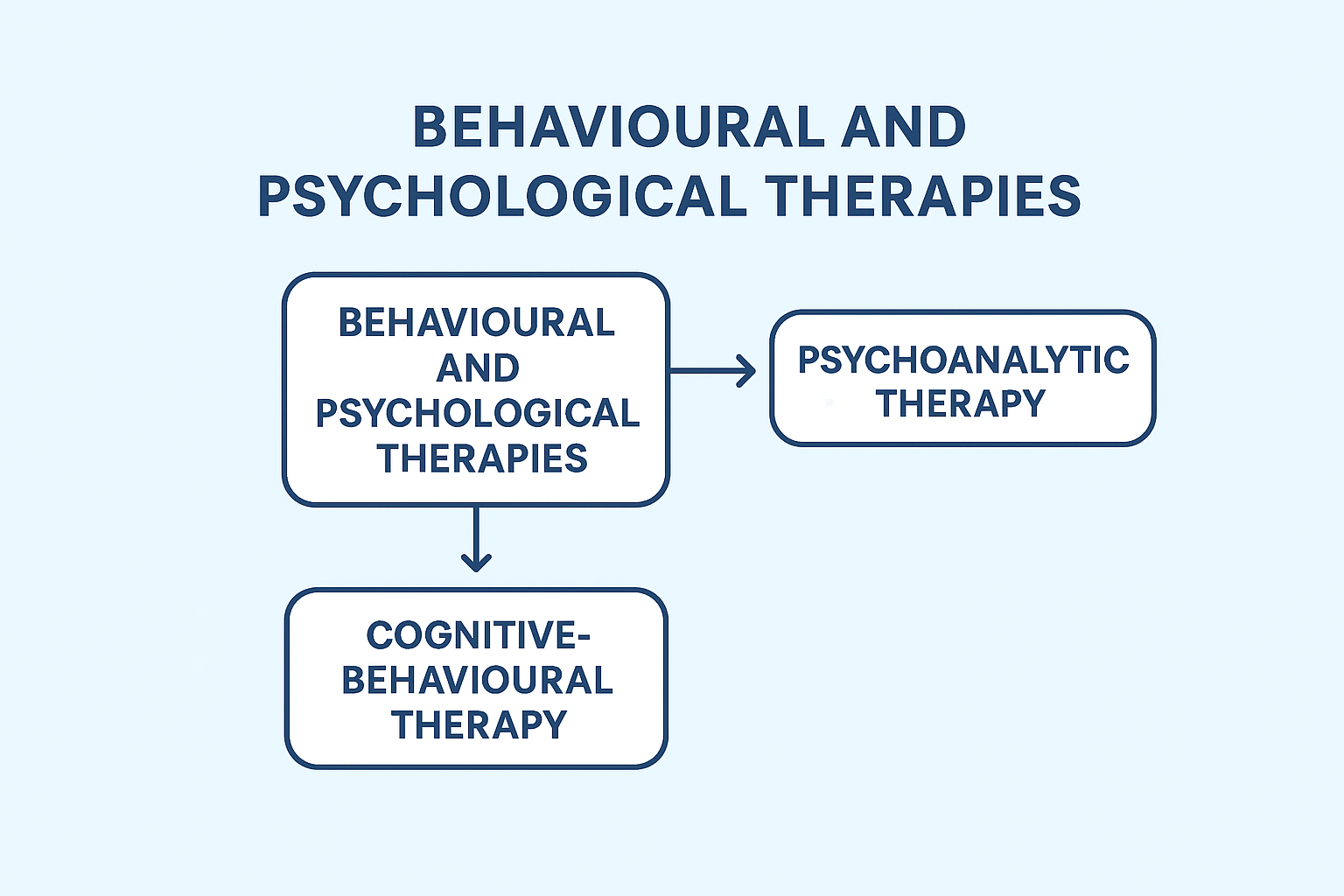
Stimulus control strategies are also effective and may include keeping the hair tied back, covering mirrors, wearing gloves at home, using barriers like hats or scarves, and reducing idle time to limit opportunities for pulling.
2. Medication Management for ADHD
For ADHD, treatment may involve stimulant medications (such as methylphenidate or amphetamine salts) or non-stimulants (such as atomoxetine or guanfacine). These medications improve concentration and reduce impulsiveness. In many cases, ADHD medication also helps decrease hair-pulling by enhancing self-control. However, in some individuals, stimulants may temporarily increase anxiety, so careful monitoring is important.
3. Supplement Support and Additional Therapies
Some individuals find benefit from N-Acetylcysteine (NAC), a supplement known to reduce hair-pulling urges in certain cases. Relaxation techniques such as deep breathing, mindfulness, yoga, and progressive muscle relaxation are also useful in lowering emotional tension that contributes to hair-pulling behaviour.
4. Social Support and Community Resources
Online communities and support groups provide encouragement, shared coping strategies, and a sense of understanding. These platforms can help reduce shame, increase motivation, and support long-term recovery by connecting individuals with others who experience similar challenges.
5. Habits to Pull Hair Off Like a Lady
Episodes of hair-pulling can be considerably decreased with some changes in the daily lifestyle. Distracting sensory urges by keeping hands occupied with stress balls, fidget toys, textured items or knitting. Journaling, exercise, a proper sleep schedule and healthy nutrition are stress management techniques that help an individual to be more emotionally stable.
Hair pulling is minimised through environmental adjustments such as wearing a hat, keeping nails short, wearing a silk scarf when in bed and having limited screen time. Monitoring triggers and progress using applications or journals assists people in understanding the patterns and knowing when they are in high-risk situations.
Is Trichotillomania Curable? Long-Term Outlook
Trichotillomania is assumed to be a chronic disorder, but in most cases, regular therapy, stress reduction and supportive settings enable many individuals to improve greatly or overcome the disorder. Timely intervention will have positive results. Even the relapses are considered to be recovery process, not failure. The hair tends to re-grow as soon as the pulling is reduced or ceases
Conclusion
The two disorders are closely related as trichotillomania and ADHD are affected by issues in impulse control, feelings, sensory processing, and habits. When the two conditions come simultaneously, the effect can be too overwhelming. Treatment is very fruitful when it is holistic. Through treatment, behavioural change, and in some cases medication, patients can control, limit the urge to pull, as well as restore confidence. Knowing the connection between the two disorders is the initial step to curing, empowerment and lifelong health.
FAQ’s
Q1. Does trichotillomania and ADHD have any connection?
Yes. Trichotillomania is also a common condition amongst people with ADHD. The two are closely related since both conditions entail impulse control problems, problems in managing emotions, and problems with processing sensory information.
Q2. What is the age of onset of trichotillomania?
The majority of the cases start at the age of 10-13 years old, although it may also manifest at an early age or even in adulthood.
Q3. Do ADHD patients have higher chances of developing trichotillomania?
Yes. Research indicates that individuals with ADHD are more likely to get BFRBs such as trichotillomania due to impulsivity and lack of emotional regulation.
Q4. ADHD medication- Does it reduce hair-pulling?
Yes, in most situations, ADHD drugs help to control impulses and lessen the urges to pull hair. Nevertheless, more anxiety can be felt by some individuals thus necessitating watching.
Q5. Is it within a conscious or unconscious condition of hair-pulling?
Both. There are those individuals who pull hair without realizing it and others pull hair as a way of getting rid of emotional strain or physical irritations.