

 Medically reviewed by
 What is Trichotillomania?
Trichotillomania (TTM) is a Body Focused Repetitive Behaviour (BFRB) characterised by repeated pulling of hair from the scalp, eyebrows, eyelashes, or other body areas. Pulling episodes may last from minutes to hours and often occur during stress, boredom, or emotional distress.
Trichotillomania is a compulsive hair-pulling disorder that leads to noticeable hair loss, patchy spots, and emotional distress. Although the urge to pull often increases during stress, anxiety, or boredom, the condition is treatable with behavioural therapies such as Habit Reversal Training (HRT) and Cognitive Behavioural Therapy (CBT). Hair regrowth is usually possible once pulling decreases, as most follicles remain healthy unless long-term damage occurs. Gentle scalp care, adequate nutrition, and avoiding heat or chemical treatments support faster regrowth, while natural oils, serums, and treatments like Minoxidil may help strengthen new hair. With consistent therapy, trigger management, and self-compassion, individuals can reduce pulling episodes and regain healthy hair over time.
Why Does Trichotillomania Happen?
The exact cause of trichotillomania is not fully understood, but research suggests it results from a combination of genetic, psychological, and neurobiological factors. Many individuals experience heightened urges during anxiety, boredom, or emotional overwhelm, while others pull out of habit without full awareness. Brain chemistry, family history of OCD-related disorders, and difficulty managing emotions also contribute.
How Long Does Regrowth Take?
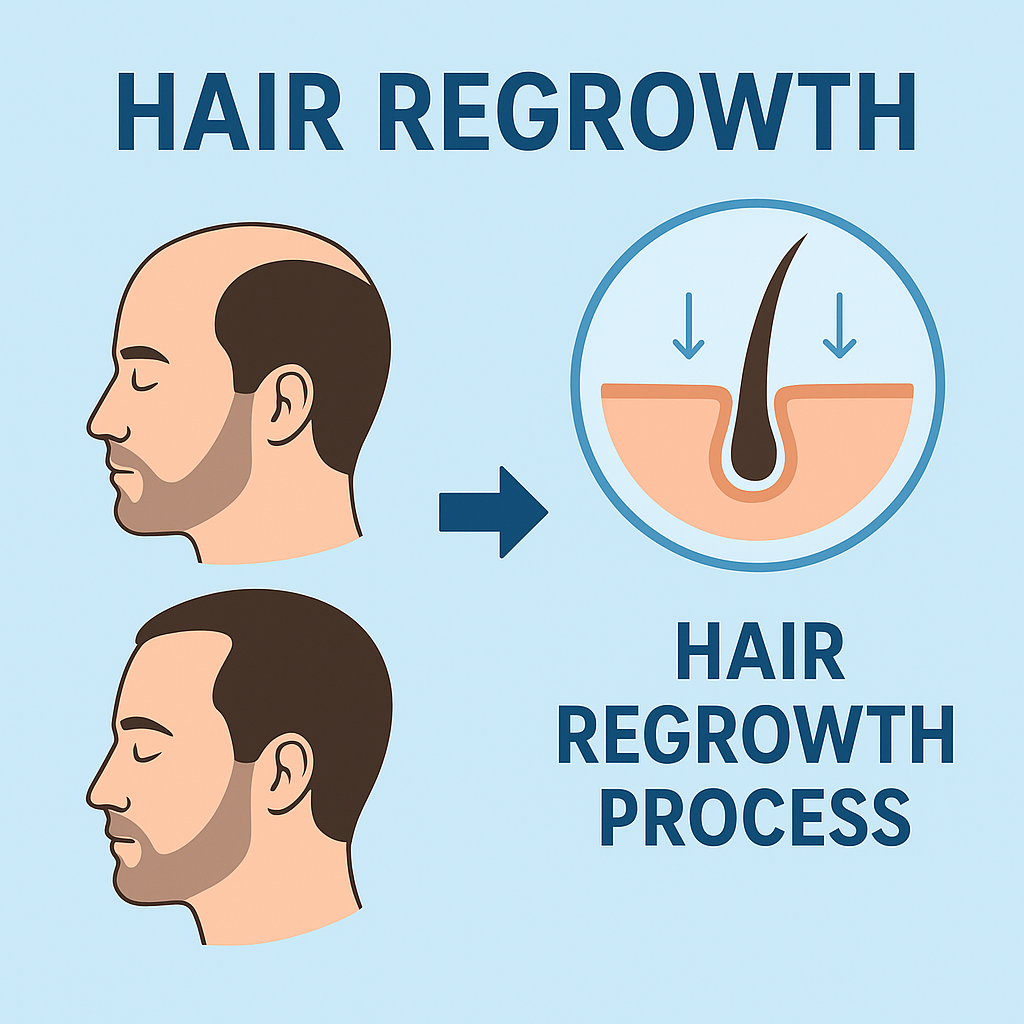
Hair typically begins to regrow as soft, fine “baby hairs“ within one to three months after pulling reduces. A more noticeable density appears between three and six months, and full growth may take up to a year, depending on follicle health and individual differences. The hair cycle improves once repeated trauma stops, allowing follicles to enter the active growth (anagen) phase again.
Hair Care Tips for Healthy Regrowth
- Use mild, sulfate-free shampoos and conditioners to avoid irritating the scalp and weakening new hair.
- Avoid heat styling tools and tight hairstyles, as they can cause breakage and slow regrowth.
- Gently massage the scalp for a few minutes daily to improve circulation and support healthy hair growth.
- Keep nails trimmed and smooth to reduce accidental pulling and minimize scalp damage.
- Include nutrient-rich foods in your diet, especially those containing protein, iron, zinc, biotin, vitamin D, and omega-3 fatty acids, to support strong and healthy hair.
- Apply natural oils like castor, coconut, or rosemary oil to nourish the scalp and improve hair health.
Trichotillomania (Hair-Pulling Disorder) – Symptoms
Trichotillomania is a mental health condition where a person feels an intense urge to pull out their hair. It is part of the obsessive–compulsive and related disorders category. Symptoms can vary from mild to severe and often develop gradually.
1. Recurrent Hair Pulling
- Repeated pulling out hair from the scalp, eyebrows, eyelashes, beard, pubic area, or other body parts.
- Hair pulling can happen in focused episodes (intentional) or automatic episodes (without awareness).
2. Strong Urges or Tension Before Pulling
- A rising sense of tension, stress, or discomfort before pulling.
- Some feel an itch, tingling, or “incomplete” sensation until hair is pulled.
3. Pleasure or Relief After Pulling
- Temporary satisfaction, relief, or calming feeling immediately after pulling hair.
4. Noticeable Hair Loss
- Bald patches on the scalp.
- Thinning eyebrows or missing eyelashes.
- Uneven or broken hairs.
- Some people attempt to hide these patches with hairstyles, makeup, or clothing.
5. Unable to Stop Pulling Hair
- Repeated attempts to reduce or stop hair pulling are unsuccessful.
- The behavior feels “out of control.”
6. Rituals Related to Hair Pulling
Many individuals develop repetitive habits, such as:
- Searching for specific hairs to pull.
- Twirling, rubbing, biting, or chewing pulled hairs.
- Examining the root or texture.
7. Emotional and Psychological Impact
- Feelings of shame, guilt, or embarrassment.
- Avoidance of social activities due to fear of others noticing hair loss.
- Increased anxiety, stress, or depression linked to the condition.
8. Automatic Hair Pulling
- Pulling hair without noticing often during:
- Watching TV
- Reading
- Studying
- Lying in bed
- Using a phone
9. Physical Symptoms
- Skin irritation or scabbing in areas where hair is repeatedly pulled.
- In rare cases, complications such as hair ingestion (trichophagia) leading to stomach issues.
Emotional Triggers in Trichotillomania
The emotional triggers are a significant source of hair hair-pulling cycle, and awareness of the latter is a key to the recovery process. Most people complain that their desire to pull heightens in stressful events like exams, work stress, quarrels or emotional exhaustion. Other people can observe that compulsions are also caused by boredom, too much thinking or loneliness.
Others tug at them when they are subjected to such sensory unpleasantness as one strand of hair that they can feel sticking out or another piece of rough surface. Getting conscious of such triggers, either by journaling or therapy, enables people to have healthier coping mechanisms. The more the triggers are known, the simpler the breaking in the pulling cycle, which provides the brain with an opportunity to decondition the behaviour.
The Place of Sensory Stimulation on Hair-Pulling Behaviour
Hair pulling is also associated with the feeling of contentment for many of the trichotillomania’s. The feel of the plucked hair, the feel of plucking, and even touching or playing with the plucked hair can be reinforcing behaviours. Such forms of rewards are what make the habit so addictive and hard to quit. BFRBs (Body-Focused Repetitive Behaviours) are typical of sensory-seeking behaviour, which is an important determinant of the perpetuation of the pulling cycle.
Sensory substitutes like textured clothes, silicone fidgets, fluffy pom-poms, or clay can fulfil these needs without damaging the scalp or the hair. To facilitate the process of quitting hair-pulling, therapists usually incorporate sensory-based methods in therapy to make the process more tolerable.
Effects of Stress and Anxiety on Hair-Pulling Cycles
Trichotillomania is closely linked to the levels of stress, and people usually discover that whenever they are under stress, or they experience moments of serious emotional strain, their pulling becomes more intense. The increase in stress is accompanied by the release of chemicals that increase tension and discomfort, so pulling becomes a kind of temporary mechanism of relief. That is why the periods of emotional breakdown may turn into trigger points.
The only way to stop this cycle is by bringing the cause of stress to its origin using relaxation, breathing exercises, mindfulness, and routinely doing self-care practices. The stronger the general stress is, the lower is the force of hair-pulling urge. Monitoring of these emotional patterns assists people in predicting when desire may be greater and to devise ways of remaining in control.
Medical & Dermatological Treatments
Dermatologists may recommend topical Minoxidil to stimulate the hair growth phase or procedures like PRP therapy and low-level laser therapy to enhance follicle strength. These treatments work best when the urge to pull is already controlled, as no medical intervention can overcome active pulling. In rare cases of permanent follicle damage, hair transplant options may be considered.
Emotional Healing and Long-term Prognosis
Having trichotillomania is not an easy task emotionally, yet recovery is not an impossible task. The self-compassion, support groups, and counselling can also lessen shame and enhance resilience. Although the condition can be variable with time, a number of people can cope with the urges, grow healthy hair, and rebuild confidence through regular therapeutic intervention.
Therapies That Help Reduce Hair Pulling
Habit Reversal Training (HRT) is the most effective therapy for managing trichotillomania, helping individuals identify triggers and replace pulling with healthy, competing behaviours such as squeezing a stress ball or playing with textured objects. Cognitive Behavioural Therapy (CBT), Dialectical Behaviour Therapy (DBT), and Acceptance and Commitment Therapy (ACT) also help manage emotional triggers, reduce stress, and break the pulling cycle.
Daily Strategies to Manage Urges
Managing trichotillomania requires self-awareness and practical strategies, such as keeping hands busy with fidget tools, wearing headbands or scarves as physical barriers, journaling trigger moments, and avoiding mirrors during high-urge periods. These habits gradually weaken the pull-response pattern and strengthen self-control, especially when practiced consistently.
Mindfulness and Relaxation
Deep breathing exercises, grounding, meditation, and body scans are some of the mindfulness techniques that can be applied to minimise internal tension that usually triggers a pulling episode. When people are made more conscious of their thoughts, feelings and sensations, they are then in a better position to control impulsive behaviour. Mindfulness can help the brain to notice urges and not act upon them, and thus it can be an effective tool to treat trichotillomania in the long term.
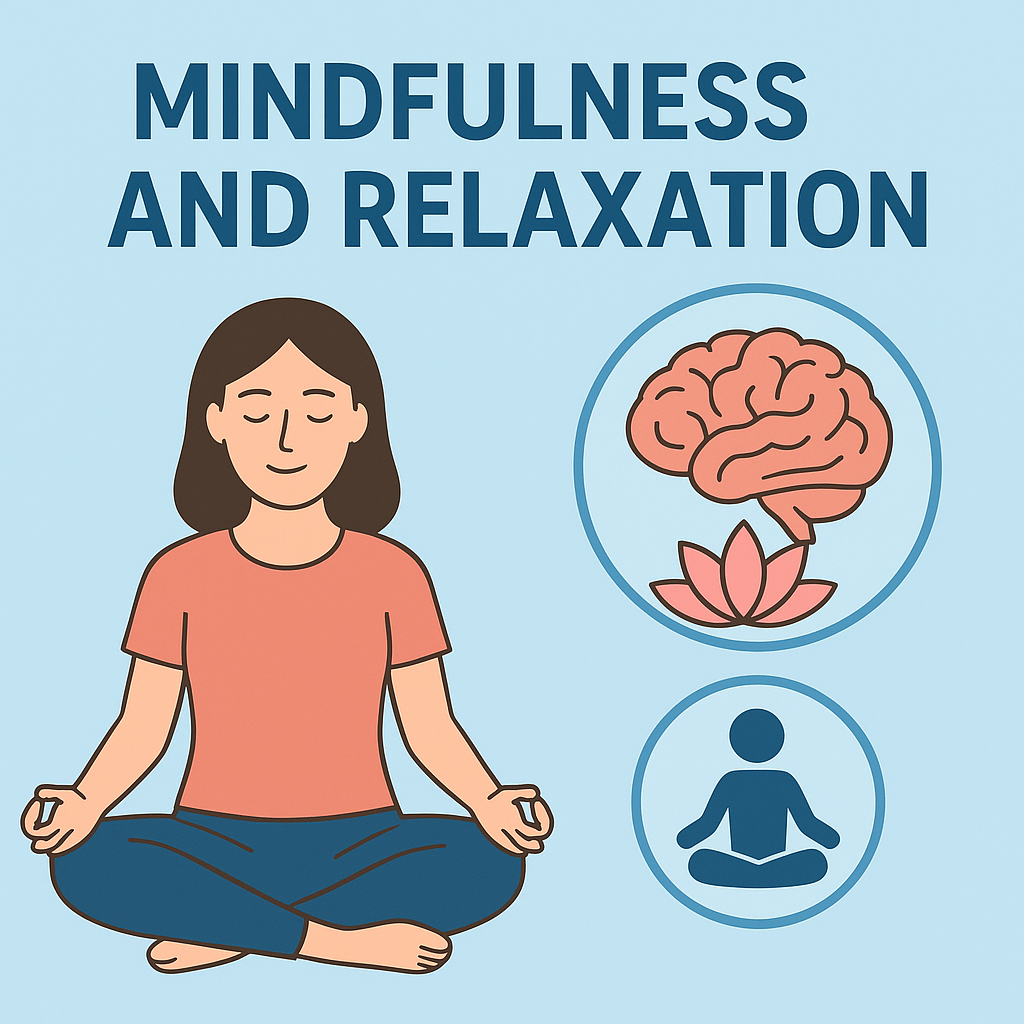
Practices that involve relaxation methods such as progressive muscle relaxation, warm showers, soothing music, simple stretching, and time taken outside reduce body tension, and this directly decreases the desire to pull. It is possible to create a calming atmosphere, particularly in the evening or high-stress situations, by avoiding triggering moments.
Providing a Recovery Supportive Environment
It is also easy to regain trichotillomania when people around the affected suffer help through a support system. Encouragement rather than criticism can be given by family members, friends, and colleagues who are aware of the condition. Open communication will aid in lessening shame, whereby the individual will be able to share his or her struggles without shyness.
Online and in-person support groups offer the freedom of expression and support to share experiences and learn alongside other people going through the same difficulties. It allows many people to be relieved by the mere thought that they are not alone. It would also require altering external environments, such as having fidget aids on hand, eliminating excessive mirrors, creating reminders of hair-care procedures, or creating a self-care regimen, all of which help to support the positive change.
Signs of When to Seek Professional Help
Although self-help treatment is effective in treating trichotillomania in many patients, it may require the aid of a professional, particularly when hair pulling is a major source of distress, bald areas are noticeable, or it affects normal life. BFRB therapists provide highly structured and evidence-based therapies that significantly decrease symptoms.
Dermatologists will have the opportunity to assess the health of the scalp and prescribe nourishing programs, whereas psychiatrists could prescribe a specific medication in case of severe anxiety or impulse-control problems. Early assistance helps avoid long-term follicle injury and recovers faster. Professional guidance will help to make sure that people are provided with interventions that are specific to their emotional, behavioural and physical needs.
FAQ‘s
Q1. Why do people pull their hair?
The causes of people pulling their hair can be emotional reasons (stress, anxiety, boredom), physical satisfaction, and the formation of a habit. It is not an option-it is a well-known mental disorder.
Q2. What is the length of the time of hair growth?
Depending on the intensity of pulling, you will find that new hairs grow in 13 months, 3 months, and cover the entire head in 9 and 12months, respectively.
Q3. Which products are useful in hair growth?
Mild shampoos, castor oil, rosemary oil, biotin supplements, and treatments prescribed by a dermatologist such as Minoxidil or PRP therapy can help aid in the growth process when the pulling has slowed down.
Q4. Is it OCD that is similar to hair-pulling?
Akin to OCD, Trichotillomania is categorized as one of the Body-Focused Repetitive Behaviors. It is similar and is an independent condition.