

 Medically reviewed by
 Alopecia areata is an autoimmune disease in which the immune system attacks healthy hair follicles, leaving sudden, localised patches of hair loss. It may be uncontrollable, and most individuals are terrified of the thought that it can extend to other areas of the scalp. Although it may not always be entirely avoided, the progression of this can be greatly slowed or even prevented with early treatment, lifestyle changes, and scalp care. Knowing about the condition and acting accordingly is a set of measures that safeguards your hair follicles and can promote their regeneration.
Why Alopecia Areata Spreads?
Through increased immune activity, stress, hormonal disproportion, nutritional deficiencies or infections, alopecia areata can be transferred. Whenever there are internal or external stimuli, the immune system might attack more of the hair follicles, leading to the development of new bald patches. There are those which develop gradually, and some develop several patches in weeks. Defining your triggers (stress, sleeping or eating problems) will make it possible to contain a flare-up and minimise chances of spreading.
10 Early Treatment Methods to Prevent Alopecia Areata
When you see a patch, it is much better to start treatment immediately; you will see that you have a great opportunity to prevent the further growth of alopecia areata. Topical corticosteroids, minoxidil, anthralin or immunomodulating creams are often prescribed by dermatologists to decrease the inflammation and help hair grow. Timely treatment enhances follicles which are weakened and helps avoid further attacks by the immune system. The earlier the intervention, the more chances that you can put the condition under control before spreading it.
1. Quick Control Injections of Steroids
The quickest and most effective therapy for alopecia areata is steroid injections, which are also called intralesional corticosteroids. These injections are placed directly into the inflammation in the patch, and the immune system is down-regulated, which allows the follicle to heal. Most of them can see a visible improvement in a month. Frequent sessions will allow controlling inflammation and avoiding the appearance of new patches. This therapy is particularly prescribed for small to moderate amounts of hair loss.
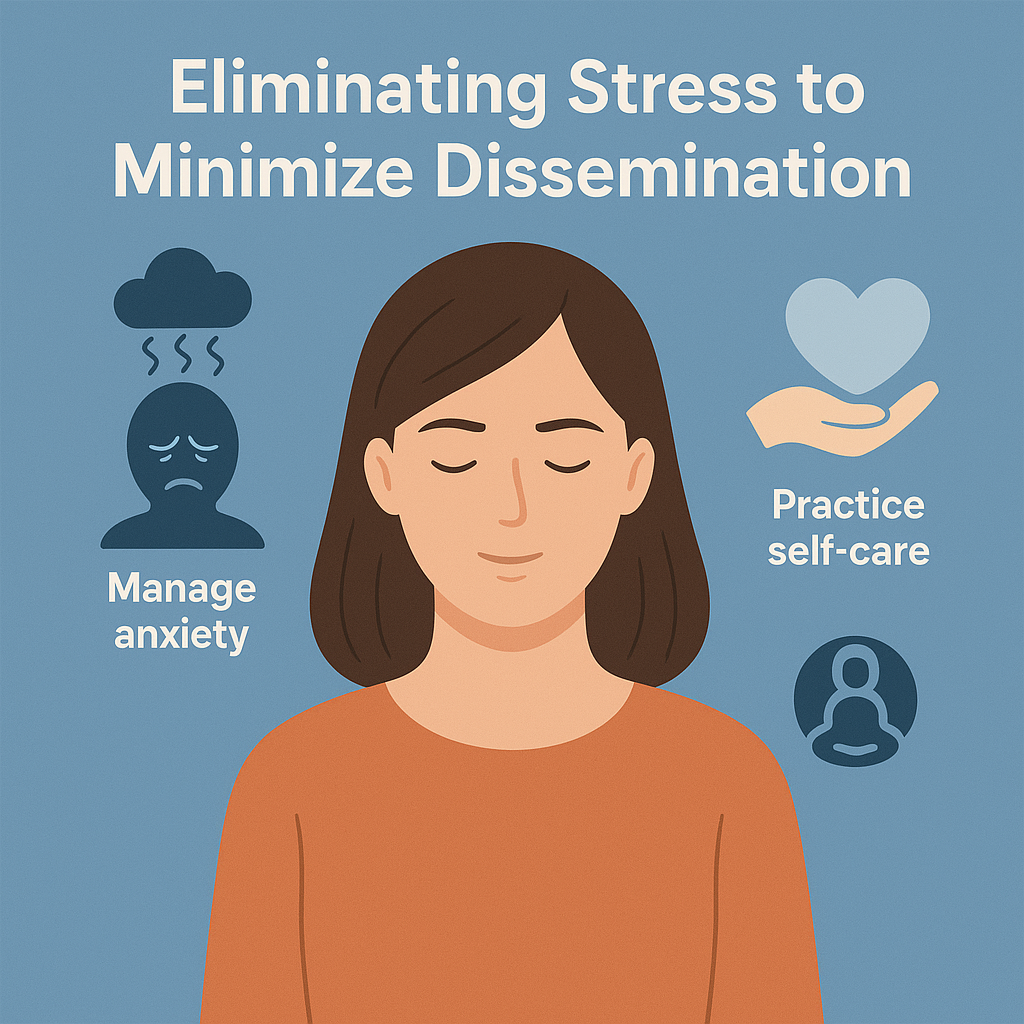
2. Eliminating Stress to Minimise Dissemination
One of the most potent causes of the flare-up of alopecia areata is stress. Stress hormones increase the vulnerability of the immune system, thereby leading to an increase in the number of new patches. Strategic breathing, meditation, sleep, low-intensity exercises, and regular schedules contribute to stabilising the functioning of the immune system by managing stress. Such basic steps, like relaxation during the day, can help to lower inflammation and help provide a healthier scalp environment. A cooler mind results in cooler skin and hair follicles.
3. Preventing Hair Damage and Physical Damage
Alopecia areata may aggravate due to physical tension or pressure on the hair that weakens the already weak follicles. Ponytails, braids and buns, as well as rough brushing, must not be permitted to cause further stress to the scalp. Flare-ups are more probable due to the irritation of the skin by heat styling tools and harsh hair-care chemicals. Replacing harsh, sulphate-free items and transitioning to a gentle, soft routine of hair-care will allow the scalp to get some time to recover and could diminish the likelihood of additional hair loss.
4. Keeping the Scalp Hydrated
An inflamed scalp may be made drier, and hair roots may be weakened. Regular hydration keeps the scalp elastic and prevents follicles from being irritated. Scalp health can be facilitated by oiling the scalp multiple times a week, applying moisturising hair masks, and not over-shampooing the scalp, as well as drinking lots of water. Having a moist head stimulates hair to grow and reduces the chances of the appearance of new patches.
5. Safeguarding the Scalp Against the Sun
Too much sun may hurt the scalp, worsen the current spots and cause new ones to appear. To protect your scalp against the harmful rays, you could wear hats, scarves or use UV-protective sprays. Scalp protection helps avoid loss of moisture, inflammatory processes, and creates a more favourable environment to promote growth. Sun protection is critical, particularly to those who suffer from active flare-ups.
6. Healthy Hair through Better Nutrition
Diet is important in the management of alopecia areata. Vitamin D, biotin, iron, zinc, omega-3 fatty acids, and protein deficiencies may cause the weakening of the hair follicles, which become susceptible to autoimmune attacks. Healthy eating, which encompasses intake of nutrient-rich foods that comprise eggs, leafy foods, nuts, seeds, milk, whole grains and fish, promotes healthy growth of hair. Eating is balanced, which enhances root strength, regrowth and curbs the spread of the condition.
7. Autoimmune Triggers Management
Alopecia areata is an immunological disease, and therefore anything that exaggerates the immune system may cause new patches. Sleep deprivation, recurrent infections, tobacco use, allergens, and high sugar consumption can cause inflammation, which aggravates the loss of hair. Alopecia can be kept under check by maintaining a stable immune system by observing healthy habits, sleeping hygiene and minimising exposure to harmful triggers. The balanced immune system is less likely to attack the hair follicles.
8. The Application of Anti-Inflammatory Oils and Natural Remedies
The scalp benefits from some natural oils which contain anti-inflammatory, moisturising and calming properties. Castor oil, coconut oil, rosemary, and peppermint are some of the oils that can be used to enhance blood flow and decrease irritation on the follicles of the hair. Cooling and healing are also assisted by aloe vera gel. Although alopecia areata cannot be cured using natural remedies, it helps to have a calm and nourishing scalp, which is less susceptible to exacerbation.
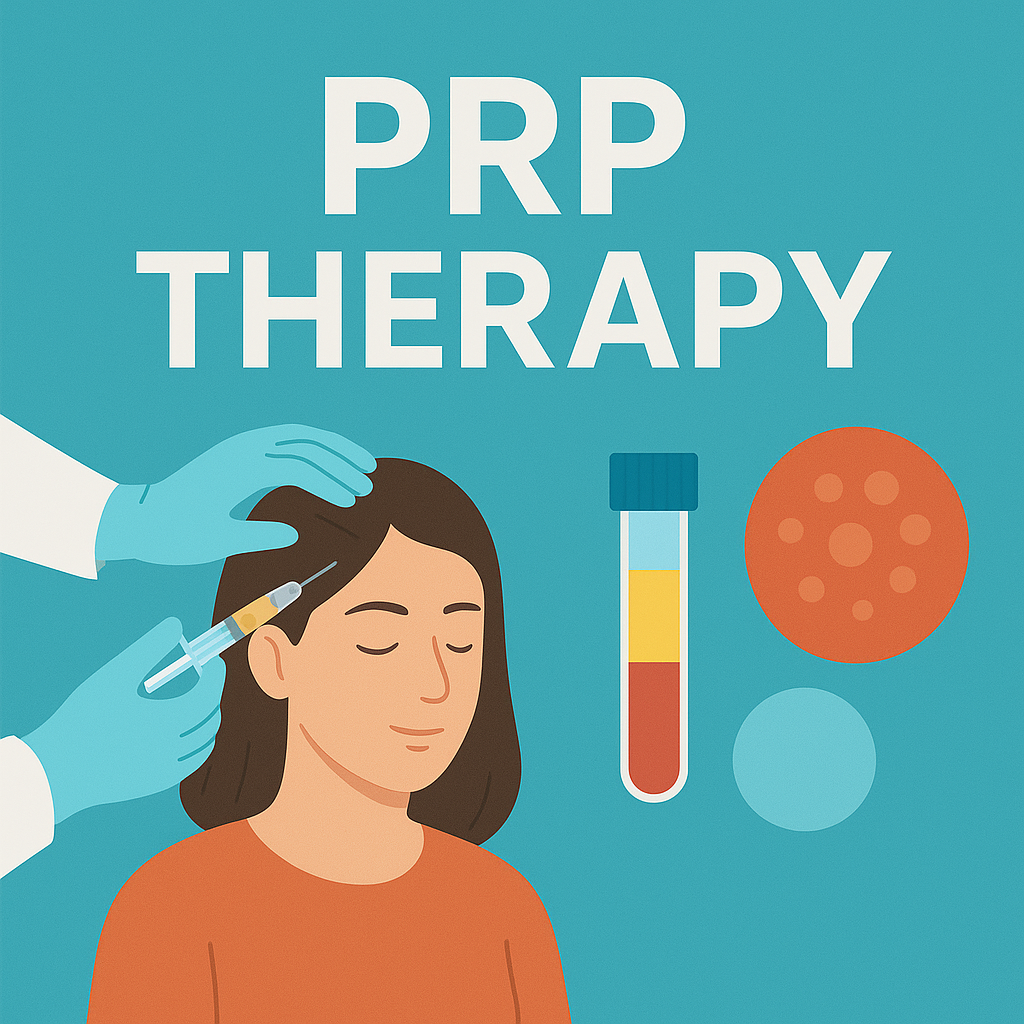
9. PRP Therapy
Platelet-Rich Plasma (PRP) therapy is a natural method of treatment which involves the use of your own blood to cause hair to grow. The growth factors in the plasma enhance the strength of the follicles, healing, and the circulation of blood. PRP is used to treat inflammation and stimulate dormant follicles to start growing again when administered into the scalp. Alopecia areata has seen many improve after several sessions. It is a non-invasive, non-surgical treatment that slows down the progression of hair loss slow down.
10. The Use of Harsh Chemicals on the Head Should be Avoided
Strong chemicals (bleaching, permanent dyes, keratin straightening, relaxers, etc.) may harm the scalp and damage hair follicles. The inflammation of the scalp increases the risk of spreading of the alopecia patches. The scalp will have a healthier environment since it can be switched to sensitive, fragrance-free products and will not have to be exposed to strong chemicals. Mild, natural formulas are less harmful to sensitive skin, and they are used to keep the scalp balanced.
Dermatology Visits
Dermatological check-ups should be performed regularly to check the alopecia areata. The condition has the potential to change rapidly, and follow-up appointments would allow the doctor to alter the treatment, notice new patches at an early age, and provide some response in the form of timely care. Regular check-ups will guarantee improved long-term outcomes, and the condition will not spread without being noticed. The solution to the alopecia areata problem is early medical intervention.
FAQ’s
1. Does alopecia areata cease to spread?
Yes, it might come to pass spontaneously, but the sooner you initiate treatment, the more likely you are to manage it.
2. Does stress deteriorate alopecia?
Indeed, stress may prompt outbursts and make the condition more widespread.
3. What is the quickest cure for alopecia?
Injections of steroids are commonly the fastest-acting.
4. Can diet improve alopecia?
Yes, it can be aggravated by a lack of vitamin D, zinc, iron, and protein; hence, a balanced diet comes in.
5. Is alopecia areata to be considered permanent?
The majority of people undergo regrowth, though it is important to be consistent with the treatment.
6. Does shaving help?
The answer to this is no, shaving has no influence on the progression of alopecia since it is the problem within the follicle.