

 Medically reviewed by
 Gestational diabetes is a condition that affects pregnant women when blood sugar levels rise during pregnancy. A balanced breakfast is essential to maintain stable glucose levels, support the baby’s growth, and reduce complications. Eating the right foods in the morning helps avoid blood sugar spikes, supports energy, and keeps hunger under control.
Balanced Breakfast for Gestational Diabetes
A healthy breakfast to be taken by a pregnant lady with gestational diabetes must be balanced with protein, healthy fats, and carbohydrates full of fibre. The selection of foods with low glycemic index and consumption of balanced meals can be used to ensure that energy levels remain stable during the morning.
Vegetable-Filled Omelette of Eggs
Eggs make one of the best breakfast meals since they contain a lot of protein and healthy fats. Even a plain omelette with vegetables like spinach, capsicum, tomatoes and onions cooked in a teaspoon of olive oil gives you slow-digesting nutrients that stabilise blood glucose levels, and you feel full for hours. This is an energy-giving and nutrient-rich breakfast that helps maintain constant energy and keeps you out of afternoon snack cravings.
Whole Wheat Toast, Avocado and Egg
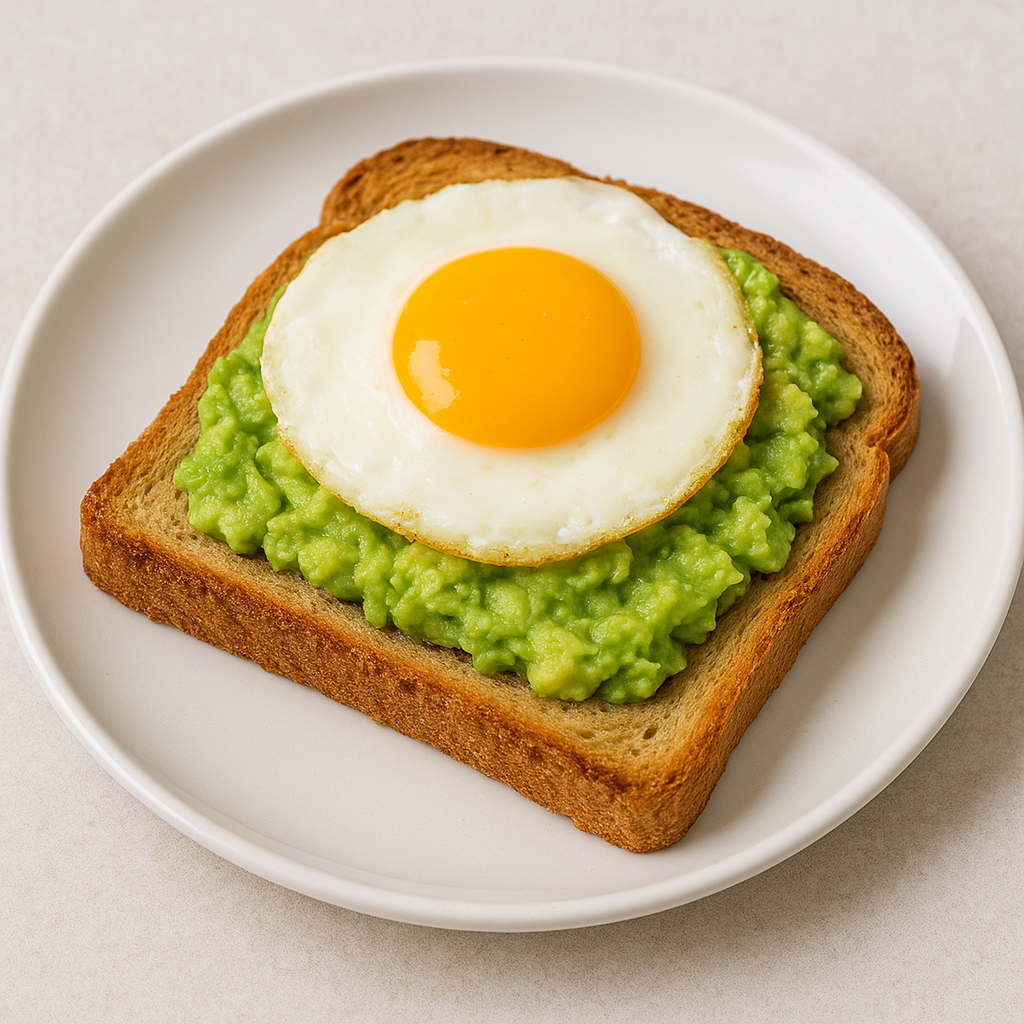
The other terrific choice is avocado and egg whole wheat toast. Whole wheat bread is more fibrous compared to white bread, and avocado is a good source of good fats, which enhance sensitivity to insulin. This meal is good, nutritious, and ideal when it is supplemented with slices of boiled eggs and a sprinkling of black pepper. It is simple to make, cheap and can be made during the rush mornings.
Chia Seed and Nuts Oatmeal
Another great option is oatmeal, which has chia seeds and nuts. Slow energy is provided by rolled oats, and chia seeds contain omega-3 fatty acids and fibre. Combining oats with almonds or walnuts and unsweetened milk, and cinnamon as a natural flavour, assists in digestion and stabilising blood sugar in the morning. This meal also leaves you fuller longer, and this decreases intermetal snacking.
Berry Bottomed Greek Yoghurt Bowl
Greek yoghurt is also an intelligent breakfast choice since it contains more protein and fewer carbohydrates than it does regular yoghurt. Greek yoghurt in a bowl, mixed with berries, and sprinkled with nuts is a refreshing version of a bowl, bone-supportive, and aids in maintaining a steady glucose level during the day. The honey or sweet toppings should not be added to make it diabetes friendly.
Chia Seed Pudding
Chia seed pudding is another simple breakfast; chia seeds are soaked in milk overnight and topped with nuts or some strawberries. It contains plenty of fibre and omega-3, does not need to be cooked, and helps maintain blood sugar levels by slowing digestion. This cold breakfast is ideal in the hot seasons and can be made earlier, so it is convenient to eat.
Besan Chia Cheela with Yoghurt
A conventional option, a besan (chickpea flour) cheela, is the perfect dish since it is low glycemic, gluten-free, and rich in protein and fibre. The preparation of a savoury pancake is done by combining besan and onion, spinach, spices, and water and then cooking it for a few minutes. It is good to combine it with any plain yoghurt to provide additional protein and probiotics that are healthy for the gut.
Whole Wheat Wrap, Chicken and Vegetables
A whole wheat wrap is a tasty and convenient breakfast. Stuff it with grilled chicken strips and vegetables such as lettuce, cucumber, carrots and capsicum. There is also a yoghurt-based dressing that contains no additional sugar. Whole wheat provides fibre, chicken provides protein, and vegetables provide vitamins and crunch. The wrap is ideal for working ladies or those who lack time to sit and have their meals at home. It also helps to keep the glucose levels stable during the morning and avoids hunger.
Chia Seed Pudding
The pudding made of chia seeds is the best option for those who do not want to cook breakfast. All one has to do is blend chia seeds with almond or low-fat milk and leave it overnight in the refrigerator. The growth of the seeds by the morning forms a pudding-like mass. Walnuts or even some strawberries on top are also tasty and healthy. Chia seeds are potent in treating blood sugar as they both slow down the digestive system and maintain regular energy. The breakfast is cold and therefore refreshing, particularly in summer.
Paneer and Veggie Scramble
Paneer/ cottage cheese is a rich source of protein and calcium. A hasty scramble prepared with capsicum, onions, tomatoes and paneer is a savoured filling meal. It is healthy when cooked in a little olive oil. Paneer lowers the risk of bone loss in the mother and the infant and keeps hunger at bay up to several hours. To provide variety, coriander or mint herbs can be added. The following dish is complemented with a small whole wheat chapati.
Besan Cheela with Yoghurt
Another low-glycemic, gluten-free dish is a traditional besan (chickpea flour) cheela. Combine besan, cut onion, spinach, coriander and spices. Prepare it in the form of a pancake using a little oil. Combine with plain yoghurt to add more protein. This is a high-fibre breakfast that is satiating. The yoghurt and chickpea flour mixture helps in digestion and normal blood sugar level. It is a common flavour to most families, and it is comforting.
Gestational Diabetes Breakfast Ideas – Nutrition Comparison Table
| Breakfast Option | Ideal Intake Quantity | Protein (approx.) | Carbohydrates (approx.) | Calcium (approx.) | Vitamins (Key) | Benefits for Gestational Diabetes |
|---|---|---|---|---|---|---|
| Vegetable-Filled Omelette (eggs + spinach + onions + capsicum) | 2 eggs + 1 cup mixed veggies | 14–16 g | 3–5 g | 60–80 mg | Vit A, B12, D, Folate | High protein, slow digestion, stabilizes blood sugar |
| Whole Wheat Toast, Avocado & Egg | 1 slice toast + ½ avocado + 1 egg | 10–12 g | 20–22 g | 40–60 mg | Vit E, B6, Folate | High fiber + healthy fats improve insulin sensitivity |
| Chia Seed & Nuts Oatmeal | ½ cup oats + 1 tbsp chia + nuts | 10–12 g | 30–35 g | 150–180 mg | Vit B1, B6, Iron | Low-GI oats + fiber slow glucose absorption |
| Berry Greek Yogurt Bowl | ¾ cup Greek yogurt + ½ cup berries | 15–17 g | 12–15 g | 150–200 mg | Vit C, Calcium, Probiotics | High protein, low carbs; berries prevent spikes |
| Chia Seed Pudding | 3 tbsp chia + 1 cup milk | 8–10 g | 12–15 g | 200–300 mg | Omega-3, Vit D, Calcium | Fiber slows digestion & stabilizes blood sugar |
| Besan Chia Cheela + Yogurt | 1 large cheela + ½ cup plain yogurt | 12–14 g | 18–20 g | 200 mg | Vit B6, Folate | Low-GI, gluten-free, high in protein & probiotics |
| Whole Wheat Wrap with Chicken & Veggies | 1 wrap + ½ cup chicken + veggies | 22–25 g | 28–32 g | 80–100 mg | Vit A, C, B-complex | Balanced macros + fiber supports glucose control |
| Paneer & Veggie Scramble | ½ cup paneer + 1 cup vegetables | 18–20 g | 6–8 g | 200–250 mg | Vit A, K, Calcium | Very high protein + calcium, keeps you full longer |
| Besan Cheela with Yogurt | 1 cheela + ½ cup yogurt | 12–14 g | 18–20 g | 200 mg | Vit B6, Folate | Protein + probiotics help regulate blood sugar |
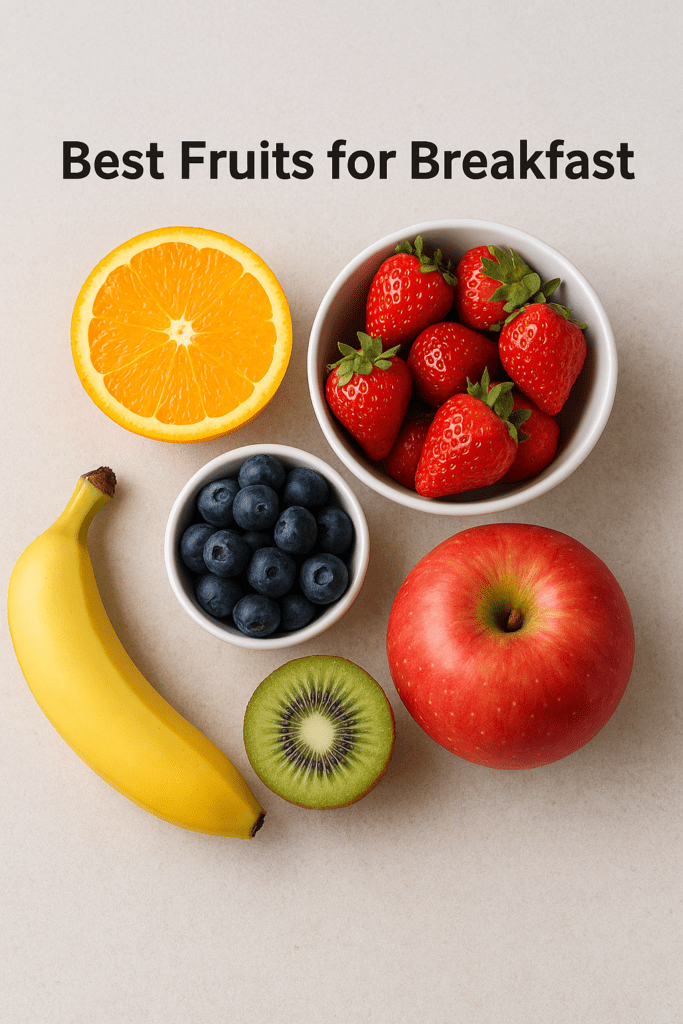
What are the Best Fruits for Breakfast?
Fruit should be consumed in small quantities and together with protein. Apples, pears, berries, oranges, and kiwi should be used. These are also fibre-containing and have a low glycemic index. Sugar is more abundant in mango, watermelon, and grapes, and they should not be taken in the morning. The reason why fruit juice is not suggested is that it contains natural sugars, which do not have fibre, hence spike quickly.
Breakfast Foods to Avoid
Foods to avoid blood sugar spikes:
- Paratha with ghee
- Naan or white bread
- Sugary cereals
- NO Fruit juice or sweetened milk.
- Jam, honey, sugar
- Bakery products such as cake, doughnuts, and biscuits.
The absorption of these foods is rapid, resulting in high blood glucose. Rather, select low-digesting grain foods that contain fibre and protein.
Hydration Issues and Water Intake in Gestational Diabetes
Proper hydration is essential during pregnancy, but it becomes even more important for women with gestational diabetes (GD). Water plays a direct role in maintaining healthy blood glucose levels, supporting metabolism, and preventing dehydration-related complications.
Why Hydration Matters in Gestational Diabetes
Helps Regulate Blood Sugar Levels
Water helps dilute glucose in the bloodstream and supports kidney function in flushing out excess sugar. Even mild dehydration can lead to higher blood sugar readings, making glucose control more difficult.
Prevents Ketone Formation
When the body does not get enough fluid or energy, it may start breaking down fats for fuel, producing ketones. High ketone levels during pregnancy can pose risks to both mother and baby. Adequate water intake helps prevent this.
Reduces Pregnancy-Related Discomforts
Poor hydration can worsen common pregnancy symptoms like:
- Headaches
- Fatigue
- Constipation
- Muscle cramps
- Dry mouth
Supports Amniotic Fluid Levels
Water intake directly affects amniotic fluid volume. Dehydration may lead to low amniotic fluid, which can affect fetal growth and movement.
Tips to Improve Hydration in Gestational Diabetes
- Drink a glass of water after every blood sugar check.
- Keep a water bottle with measurement marks.
- Start your morning with 1 cup of lukewarm water.
- Add fruits like lemon, berries, or herbs for taste (no sugar).
- Drink water before meals to prevent overeating and glucose spikes.
- Set reminders every 45–60 minutes if you forget to drink.
Practical Advice to Success
It matters a lot whether we have certain habits that can help control glucose:
- Eat every 3–4 hours
- Never skip breakfast
- Walk 20–30 minutes daily
- Check blood sugar levels in response to meals
- Do not overeat even healthy food
Conclusion
Having a proper breakfast daily is among the best methods of dealing with gestational diabetes and a healthy pregnancy. Having a well-balanced morning meal with protein, good fats, and carbohydrates that are rich in fibre, as well as stabilising blood sugar, avoids sudden spikes and leaves you energised for hours. Even less complicated recipes like eggs and vegetables, oats and chia seeds, Greek yoghurt and berries, whole wheat wraps, and besan cheela demonstrate that food that does not contribute to diabetes can be tasty and nutritious at the same time.
Purchasing whole foods, staying away of sugar products, staying hydrated, and keeping up on the portions, mothers will be able to be sure that they are taking care of their health and the development of the baby. Each day is a new chance to feed your own body, keep the levels of glucose constant and have a good, healthy, and happy pregnancy.
FAQ’s
1. Which is the most appropriate breakfast when one has gestational diabetes?
The optimal breakfast is the one that is a combination of protein, healthy fats, and carbohydrates that contain fibre. Eggs and vegetables, oats and chia seeds, Greek yoghurt and berries and whole wheat toast and avocado would all be good choices.
2. Is it possible to eat fruit in the morning with gestational diabetes?
Fruit can be taken in moderation, but it must never be taken in large quantities on an empty stomach. Add it to protein like yoghurt, nuts, or eggs to help avoid blood sugar spikes.
3. Is it safe to drink tea or coffee during gestational diabetes?
Yes, warm but no sugar tea or coffee. Use little milk or sugar-free appropriate such as stevia. It should not be matched with biscuits, cake or bakery.
4. What are the foods for breakfast that I should not have with gestational diabetes?
Avoid excessive carbohydrates with a high amount of sugar, like parathas, white bread, fruit juice, tender cereals, honey, jam, and bakery products. These lead to fast rises in blood sugar.
5. What is the appropriate time to eat breakfast in the morning?
One should eat breakfast within one hour of waking up so as to avoid low sugar levels and cravings. Early eating helps to keep the glucose curve stable all day.
6. Is it possible not to eat breakfast when I do not feel hungry?
Gestational diabetes should not skip breakfast. It may cause unstable blood sugar levels, hunger in the later part of the day, overeating, and elevated blood sugar after eating.